






Ultra-Fine Pitch & High-Density Design
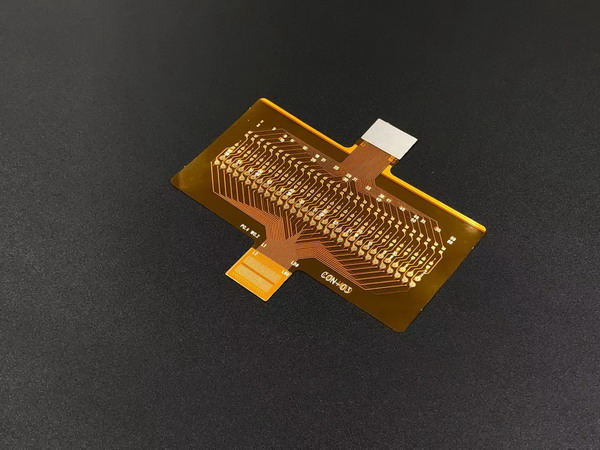
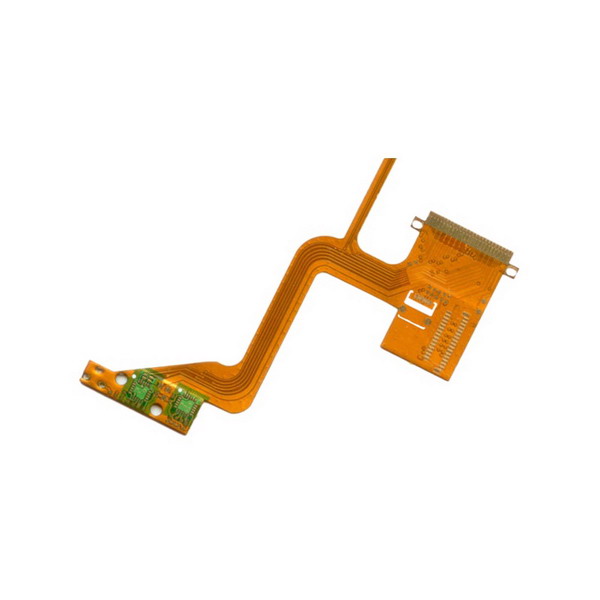
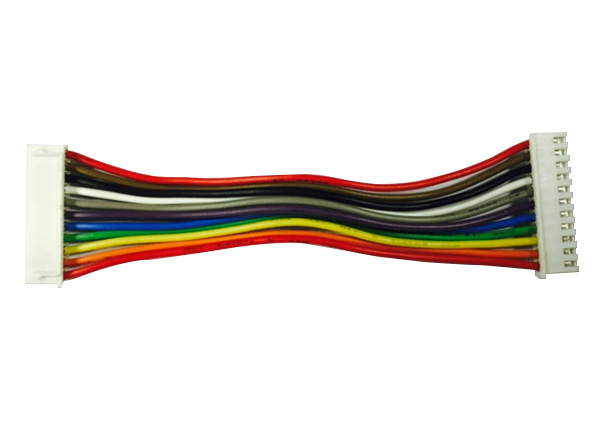
Conductor pitch down to 0.3 mm on FFC, FPC and RFC cable lets dense signals fit tight housings. Alignment stays consistent along the length. FPC can route multiple layers with line/space to 0.05 mm; RFC cable adds a solder jumper at 1.0–2.54 mm pitch without a connector.

High-Frequency & High-Speed Signal Transmission
FFC constructions can be specified for high-speed digital links with controlled impedance — typically 90 Ω for USB-class pairs and 100 Ω for high-speed video pairs. Custom FPC keeps the interface definition consistent; RFC cable maintains integrity across the round-end solder joint for LVDS and display links.

Exceptional Flex Life & Dynamic Reliability
High-flex FFC can exceed one million bend cycles at a tight radius. FPC with polyimide coverlay is specified above 900,000 dynamic cycles. RFC solder joints are specified for vibration at the through-hole or wave-soldered round ends — appliances, automotive lighting and industrial boards.

Wide Temperature Range & Environmental Stability
Interconnects are specified from −40°C to +105°C. PI and PET insulation, wide-temperature contacts and PET/PI insulation keep electrical and mechanical behaviour stable from cold start to hot industrial enclosures.

EMI Shielding & Signal Integrity Protection
Copper foil, aluminum foil, silver mesh and conductive fabric are stacked to the noise budget. FPC can shield selected layers; RFC cable can run foil across the transition so coverage does not break. Impedance-controlled pairs keep eye diagrams open on industrial and automotive boards.

Ultra-Thin & Lightweight Construction
FFC profiles can be as thin as about 0.12 mm. Custom FPC stacks can match low-profile entries around 1.0 mm. An RFC cable can reduce connector and round-wire count, cutting mass and freeing volume versus a traditional harness.
