






FFC Cable Applications in Automotive Electronics
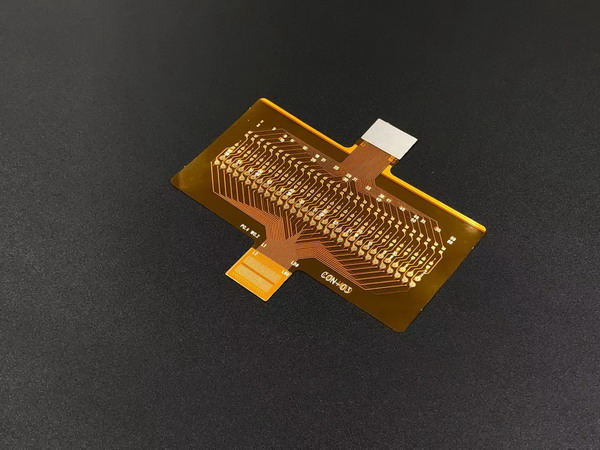
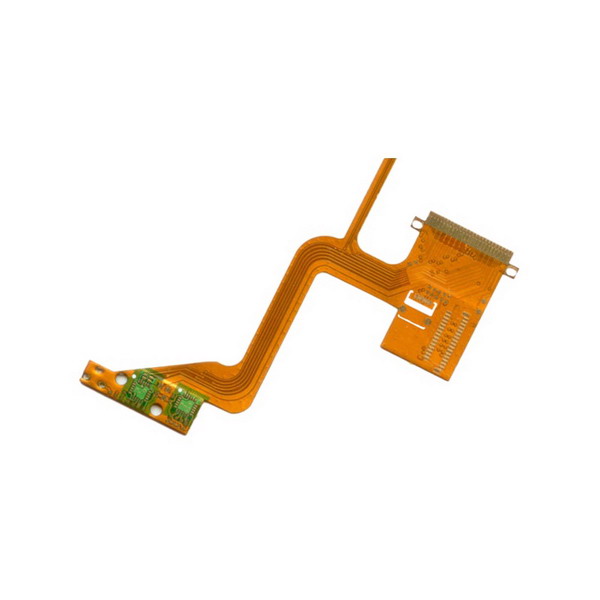
The automotive industry is undergoing its most significant transformation in a century. The shift from internal combustion engines to electric vehicles, the proliferation of advanced driver-assistance systems, and the rise of software-defined vehicles are collectively reshaping every aspect of automotive design — including the wiring and interconnect systems that form the nervous system of modern vehicles. Among the interconnect technologies enabling this transformation, FFC (Flexible Flat Cable) has emerged as a critical enabler, offering compelling advantages over traditional round wire harnesses in terms of weight, space, reliability, and manufacturing efficiency.
The global market for Flexible Flat Cables in new energy vehicles is projected to grow from US$300 million in 2025 to US$612 million by 2032. This remarkable growth trajectory reflects the increasing adoption of FFC technology across automotive platforms, driven by the industry's relentless pursuit of lightweighting, space optimization, and system integration.
FFC cables offer weight reduction of up to 40% and volume reduction of up to 35% compared to traditional wiring solutions. These savings are not merely incremental improvements — they translate directly into extended driving range for electric vehicles, improved fuel efficiency for hybrids, and greater design flexibility for vehicle architects. In an industry where every gram and every millimeter matters, FFC technology provides a compelling pathway to achieve ambitious vehicle weight and packaging targets.
Advanced Driver-Assistance Systems (ADAS) represent one of the fastest-growing application areas for FFC cables. Modern vehicles integrate multiple cameras, radar sensors, and ultrasonic sensors to enable features such as adaptive cruise control, lane-keeping assistance, automatic emergency braking, and surround-view parking assistance. FFC cables provide the ideal interconnect solution for ADAS due to their consistent impedance, low signal loss, and excellent flexibility for routing through tight spaces within door assemblies, mirror housings, and bumper structures. FFC has already penetrated core ADAS components including cameras, radar modules, and central domain controllers.
In electric vehicles, FFCs play a crucial role in battery management systems (BMS), high-voltage interconnects, and thermal management solutions. Their lightweight construction contributes to overall vehicle weight reduction, directly improving energy efficiency and driving range. Studies have shown that replacing traditional round wire harnesses with FFC cables can reduce wiring weight by up to 30% in certain applications, a significant factor in EV range optimization.
In-vehicle infotainment and displays also rely heavily on FFC technology. Modern vehicles feature multiple displays — center stacks, digital instrument clusters, rear-seat entertainment screens, and head-up displays — all requiring high-bandwidth video signal transmission. FFC cables support high-speed LVDS and HDMI signals, with precisely controlled impedance to maintain signal integrity over the required cable lengths.
Power electronics and on-board chargers for electric and hybrid vehicles require high-current, high-density interconnects. FFC cables provide the thermal stability and current-carrying capacity needed for these demanding applications, with conductor materials and plating options selected to meet specific power requirements.
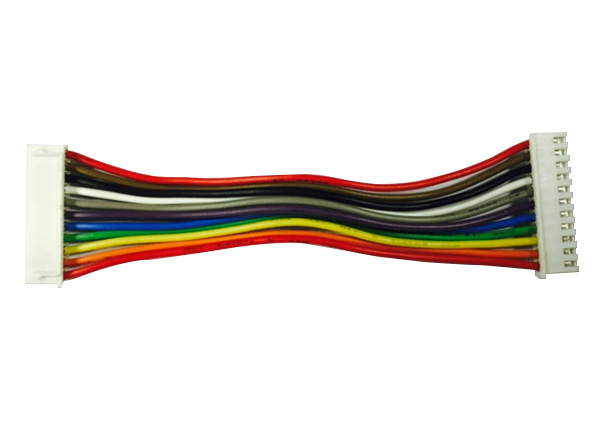
The advantages of FFC over traditional round wire harnesses are substantial: weight reduction of 30-40%, space savings of 75-80%, improved heat dissipation, excellent vibration resistance, and compatibility with highly automated manufacturing processes. As vehicles continue to evolve toward greater electrification, autonomy, and connectivity, FFC cables will play an increasingly central role in automotive electronics architecture.
At Nurwire, we offer custom-engineered automotive FFC cables designed to meet stringent automotive requirements. Our products are manufactured under ISO 9001:2015 quality management, with options for wide-temperature operation, EMI shielding, and custom configurations to meet specific vehicle platform requirements. Contact us to learn how our automotive FFC solutions can support your next-generation vehicle designs.