






FFC Cable Technical Specifications & Selection Guide
FFC (Flat Flexible Cable) is a versatile interconnect solution widely used in consumer electronics, automotive systems, medical devices, and industrial equipment. Understanding FFC technical specifications is essential for selecting the right cable for your application and ensuring reliable performance.
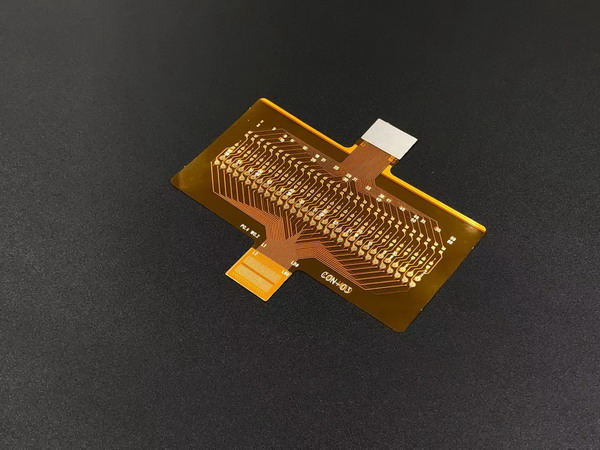
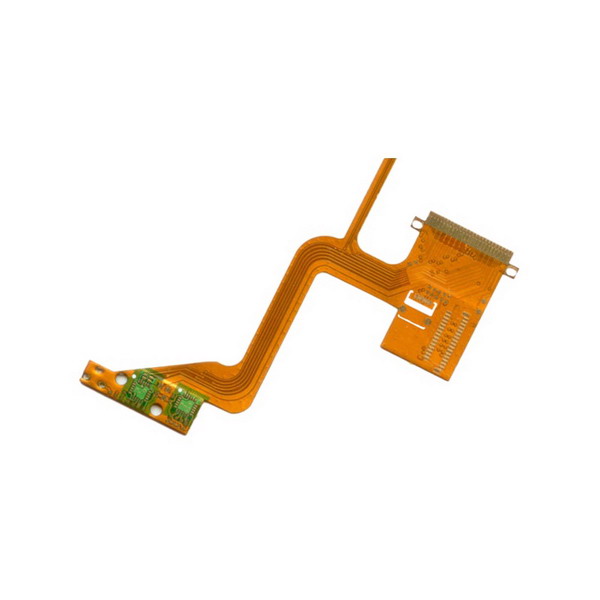
FFC cables consist of flat copper conductors arranged in parallel, laminated between two insulating polymer films. The conductors are typically made from electrolytic copper foil with high conductivity and purity. The insulating films are typically polyester (PET) or polyimide (PI), selected based on temperature requirements and cost considerations. Key construction elements include conductors, insulation, stiffener (optional reinforcement at termination points), shielding (optional EMI shielding layers), and termination (flat ends for ZIF/LIF insertion or pre-terminated connectors).
Key technical specifications include pitch, pin count, conductor thickness, cable length, insulation material, conductor plating, and EMI shielding.
Pitch is the distance between adjacent conductors. Standard FFC pitches include 0.3mm (ultra-compact devices), 0.5mm (smartphones, tablets), 0.8mm (laptops, displays), 1.0mm (consumer electronics), 1.25mm (industrial equipment, automotive), and 2.54mm (legacy applications, power connections). The 0.5mm to 1.27mm pitch segment accounted for the largest market share of 43.2% in 2024.
Pin count ranges from 4 to 120+ pins, depending on pitch and application requirements. Higher pin counts enable more signals to be transmitted through a single cable but require finer pitches and more precise manufacturing tolerances.
Conductor thickness affects current-carrying capacity, flexibility, and impedance characteristics. Standard thicknesses: 0.035mm (low-current signal), 0.050mm (standard signal), 0.100mm (power and signal), 0.200mm (high-current). The up to 30 micron segment is anticipated to witness the fastest growth, registering a CAGR of 9%.
Cable length is available in custom lengths from 10mm to 1000mm, with longer lengths available for specialized applications. Maximum cable length depends on pitch, pin count, and signal integrity requirements.
Insulation material options: PET (-40°C to +85°C, cost-effective) and PI (-40°C to +105°C, high-temperature resistance, excellent thermal stability). PI is ideal for automotive, industrial, and other demanding applications.
Conductor plating options: bare copper (highest conductivity, dry sealed devices), tin-plated (corrosion resistance, solderable, general electronics), gold-plated (low contact resistance, high reliability, high-frequency applications), nickel-plated (heat and corrosion resistance, harsh environments).
EMI shielding options: none (lowest cost, low-noise environments), aluminum foil (lightweight, 100% coverage, consumer electronics), copper foil (superior EMI protection, high-frequency), silver mesh (maximum EMI attenuation, mission-critical), conductive fabric (flexible, dynamic applications), absorber material (EMI absorption, LVDS displays).
Stiffener options: PET (cost-effective), PI (high-temperature), metal (maximum reinforcement).
Connector compatibility: FFC cables are designed for use with ZIF (Zero Insertion Force) and LIF (Low Insertion Force) connectors. Key considerations: pitch matching, contact type (top, bottom, or dual), locking mechanism (flip-lock, slide-lock, back-lock), and mating cycles.
Selection criteria include electrical requirements (signal type, data rate, impedance, current, voltage), mechanical requirements (flexibility, routing, termination, length), environmental requirements (temperature, humidity, chemicals, vibration), and regulatory requirements (RoHS, REACH, UL).
Best practices for FFC specification: define clear requirements, consider manufacturing tolerances, plan for connector compatibility, validate with samples, and partner with experienced suppliers.
At Nurwire, we manufacture custom FFC cables to meet your exact specifications, with comprehensive quality control and engineering support. Contact us for technical assistance and custom FFC solutions.