






How Material Innovation Is Reshaping FFC Cable Manufacturing
Flexible flat cable manufacturing is being reshaped by several forces at once: faster material innovation, denser system architectures, regulatory and trade pressure, and end users who will not trade reliability for a thinner stack. Those forces change how FFC cable is designed, built, and qualified. The industry is not only swapping copper grades; it is rewriting dielectric stacks, inspection, and how much variation a line is allowed to ship.
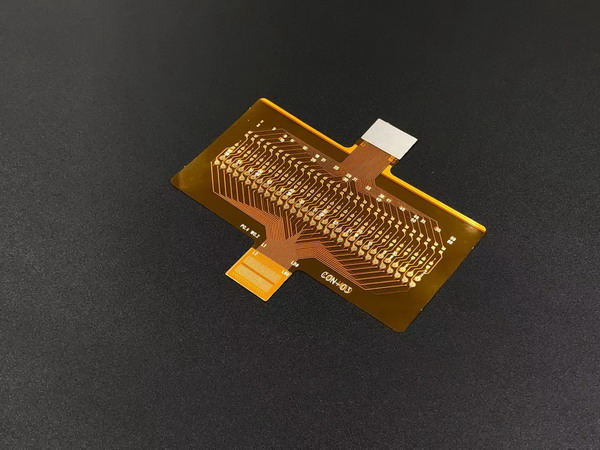
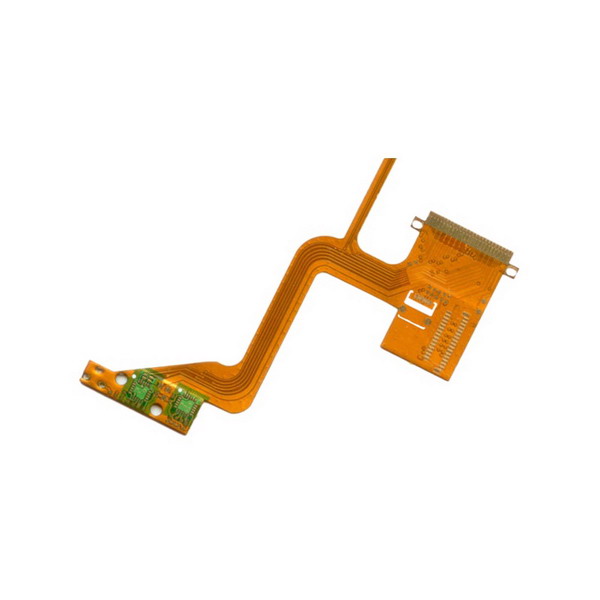
Emerging dielectric formulations and conductor treatments improve signal performance and thermal tolerance, while automated assembly and inline inspection raise yield and cut unit-to-unit variation. FFC is made from high-performance insulation and extremely thin flat copper, run on highly automated precision lines so pitch and thickness stay inside the drawing. That combination is what lets a custom FFC hold impedance and current rating without a hand-tuned lot.
Reel-to-reel flex processing can produce FFC or flex-circuit products, using laser ablation to generate layer patterns. The same process can form conductive traces of different widths and openings where the drawing asks for them. Precise control of conductor geometry is what makes impedance control, current-carrying capacity, and flex life specifiable instead of hoped for. It is also how a factory changes a pitch or a window without rebuilding the entire tool set.
Cross-industry adoption then splits the process window. Electric-vehicle and aerospace electrification programmes ask for higher voltage and temperature resilience. Consumer electronics asks for extremely fine pitch, repeatable flex cycles, and low-cost scale. FFC manufacturing can serve both if material selection and process recipes are targeted — polyimide versus PET, tin versus gold, foil EMI shielding versus none. A single generic stack rarely wins both RFQs.
Companies that combine materials know-how with manufacturing agility and close work with OEM design teams are best placed to take the incremental value. In the near term, the shifts that matter most are the ones that change how buyers score suppliers: demonstrated quality, verification protocols, and flexible capacity. Product lines continue to upgrade for high-speed, high-frequency, high-temperature, high-humidity, and high-shielding use, which is another way of saying the drawing now includes EMC and climate, not only pin count.
Procurement therefore has to read process, not only price. A line that can hold copper thickness, dielectric constant, and fold location with inline data will dual-source more calmly than a shop that inspects only after the reel is full. ISO 9001 process control, RoHS and REACH material files, and the ability to change stiffener or plating without a quality excursion are now part of the sourcing shortlist for automotive electronics and medical devices as much as for consumer SKUs.
None of this requires claiming certifications the factory does not hold. What it does require is honest capability: which pitches are process-capable, which shielding stacks are qualified, which temperature ratings are on the material datasheet. Custom FFC succeeds when those limits are on the RFQ before tooling, not discovered in the first climate chamber.
Nurwire manufactures custom FFC cable under ISO 9001:2015, with RoHS and REACH-compliant materials, optional EMI shielding, and process control aimed at pitch, plating, and yield for automotive, consumer, medical, and industrial OEMs. If you need a flexible flat cable whose dielectric, copper, and shield stack match the drawing rather than a catalogue compromise, talk to us at the DFM stage.