






Custom FFC and FPC Flex Interconnect Market to Reach USD 10.63 Billion by 2032
Custom FFC cables and FPC flex circuits sit at the heart of compact electronics. The broader flex interconnect market was valued at USD 7.00 billion in 2025 and is projected to reach USD 7.38 billion in 2026 and USD 10.63 billion by 2032, a compound annual growth rate of 6.14%. Demand spans automotive electronics, consumer devices, medical instruments and industrial equipment — anywhere a thin, repeatable flex link is smaller and more reliable than a round-wire harness.
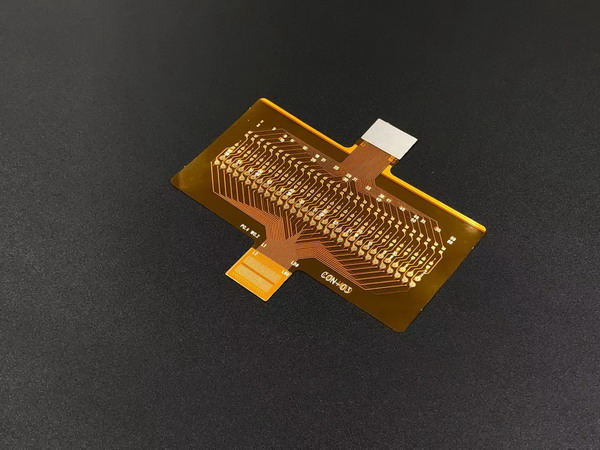
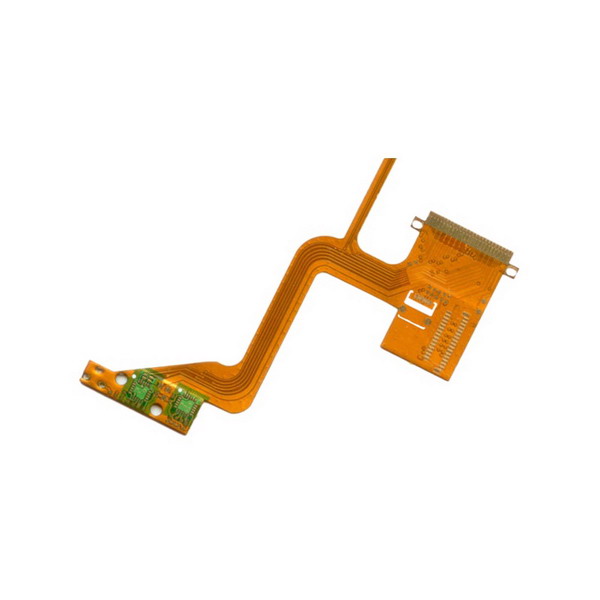
These constructions enable miniaturization, dynamic flexing and high-density routing when space, weight and form factor drive the layout. A custom FFC with ZIF-ready tails, or an etched FPC with controlled impedance, lets the mechanical designer fold the interconnect clear of batteries, speakers and shields. RFC round flat cable adds a solderable round-end option when vibration or through-hole assembly rules out a discrete mating part.
Finer pitch and higher density have opened new form factors in wearables, foldable displays and compact medical devices. That forces manufacturers to rethink fold geometry, stiffener placement and flex life, not only pin count. Fine-pitch FFC tails and matching FPC layouts are specified together; changing one without the other is a common cause of insertion damage and intermittent opens.
Environmental and regulatory pressure has made materials compliance and lifecycle traceability non-negotiable in supplier scorecards. RoHS and REACH declarations travel with performance data. Design-for-manufacturability and automation in pick-and-place and reflow have cut assembly variation, which is why custom FFC and FPC show up more often on fully automated lines. EMI shielding on the cable side still needs a defined ground path, or the shield is only decorative.
As products integrate more functions, flex interconnect selection moves into early layout reviews. The choice influences enclosure, thermal paths and how a unit is serviced in the field. A late swap of pitch or plating changes stiffener thickness and sometimes the entire fold drawing. Teams that freeze FFC pitch, FPC stack-up and termination style with the first industrial-design freeze spend less time in respin.
Geographically, Asia-Pacific dominates volume because electronics manufacturing is concentrated in China, Japan, South Korea and Taiwan. North America and Europe remain important, especially where automotive and medical OEMs write the print. Specialist custom manufacturers compete on pitch accuracy, shielding options and sample lead time — end users see denser, more predictable flex links, not a catalogue war.
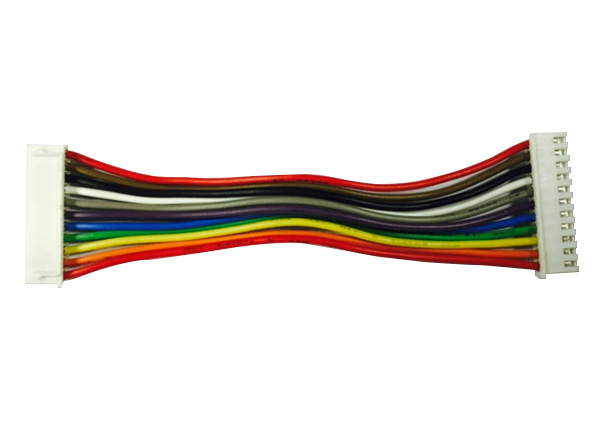
For engineers, the practical stack is cable or circuit plus termination plus pad. Specify FFC pitch, pin count, plating and whether tails are ZIF-ready or solderable in one package. High-speed or noisy environments add pair assignment and EMI shielding, with a ground path that actually terminates. Custom FFC or FPC is often cheaper for a non-standard length or fold than forcing a catalogue jumper into a hinge. RFC covers solder-down board links without a discrete mating part.
Nurwire manufactures custom FFC cables, FPC circuits and RFC round flat cables under ISO 9001:2015, with RoHS and REACH-compliant materials, optional EMI shielding and ZIF-ready or solderable ends. If your wearable, foldable, automotive display or compact instrument needs a high-density flex interconnect, we align pitch, length, shielding and plating to your drawing.