






Automotive Electronics Driving FFC Cable Demand in EVs and ADAS
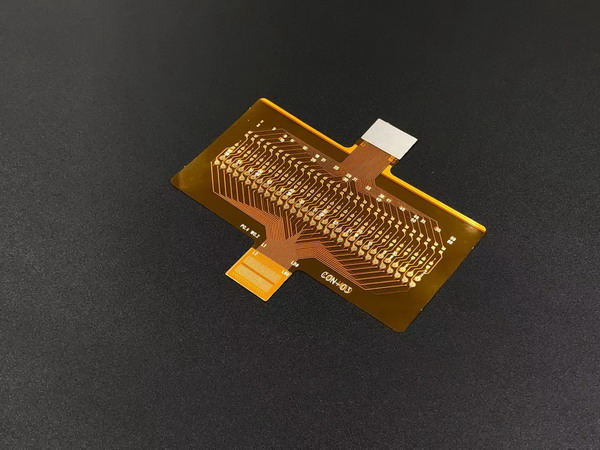
Electronics now take a large share of a vehicle's value, and that shift is pulling flexible flat cable into programmes that once defaulted to round wire. Moving from internal-combustion architectures to electric powertrains changes how current, data, and heat share the same package. FFC cable gives automotive electronics a thin, repeatable interconnect that can be designed into dashboards, door modules, and battery packs instead of stuffed around them.
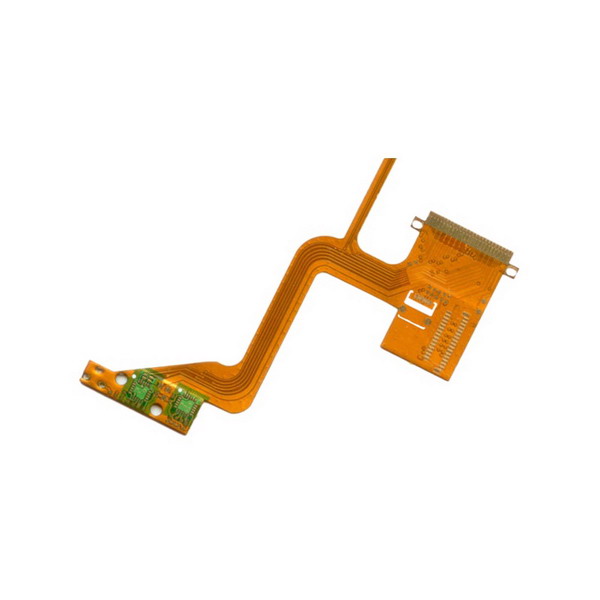
Automotive-grade FFC is specified for vibration, thermal cycling, and long service life. The flat profile routes through space that a round harness cannot use, and it can improve local airflow around high-power electronics — a practical concern in electric vehicles. Tin or gold plating, PET or polyimide insulation, and optional EMI shielding are chosen against the zone: cabin infotainment is not the same environment as a battery management board sitting near high-voltage busbars.
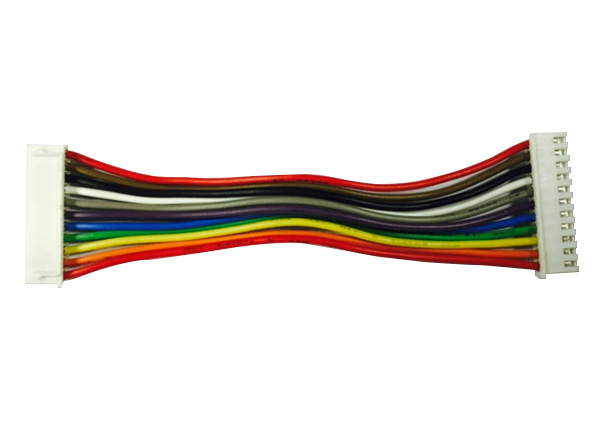
In electric vehicles, FFC supports battery management systems, high-voltage interconnects where the current rating allows, and thermal-management sensors and actuators. Lightweight construction feeds range: studies have shown that replacing traditional round wire harnesses with FFC cables can reduce wiring weight by up to 30% in certain applications. That figure is not a marketing average for every loop; it is a design outcome when engineers replace bulky bundles in doors, seats, and display stacks with custom FFC of the right pitch and length.
Everyday automotive applications already include infotainment, GPS navigation, driver-assistance cameras, and power electronics. As vehicles become more connected and more automated, the volume of data inside the vehicle keeps rising. Multiple cameras, radar, and ultrasonic sensors need reliable high-speed links; FFC with controlled impedance and, where needed, foil or mesh EMI shielding is a common way to carry LVDS and similar video without adding a second harness family.
Collaboration between automakers, Tier 1 suppliers, and cable manufacturers is speeding up qualification. FFC has been implemented in steering wheels, seat controls, and other dynamic applications that see repeated flex and vibration, which is evidence that the construction can meet durability targets when bend radius, stiffener, and connector retention are designed together. Safety-critical loops still need the same electrical and mechanical validation as any other automotive interconnect — FFC does not skip that work, it changes the geometry.
For OEMs and Tier 1s, the production case is as important as the electrical one. FFC can be presented to automated assembly, which reduces handling variation compared with dressing a round harness by hand. Custom FFC matched to a ZIF or LIF FPC connector on the board shortens the assembly path and makes rework more predictable. Weight, packaging, and takt time then move together instead of trading against each other.
Electrification also raises EMC pressure. Inverters, onboard chargers, and wireless modules sit closer to camera and display lines than they did a decade ago. Specifying EMI shielding, ground-drain conductors, and a defined fold path early in the CAD model is cheaper than adding ferrite and reroutes after EMC testing. Pitch, pin assignment, and plating should be frozen with the connector family, not after tooling.
Nurwire builds custom automotive FFC cable under ISO 9001:2015, with RoHS and REACH-compliant materials, wide-temperature constructions, and optional EMI shielding for EV and ADAS programmes. If you are replacing a round harness loop or specifying a new display and camera interconnect, we can match pitch, length, plating, and stiffener to the vehicle platform.