






Smart Home Appliances Drive Demand for High-Performance FFC Cables
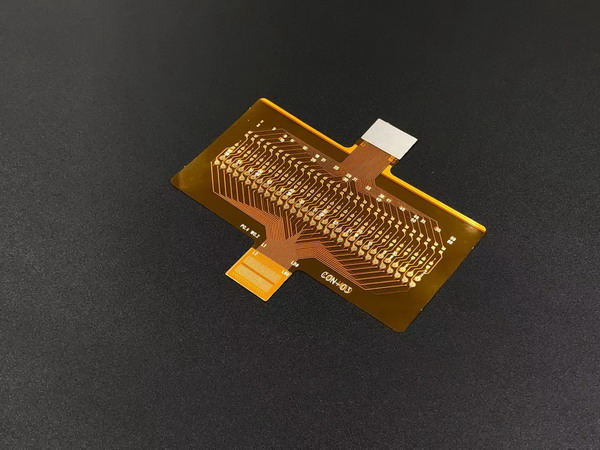
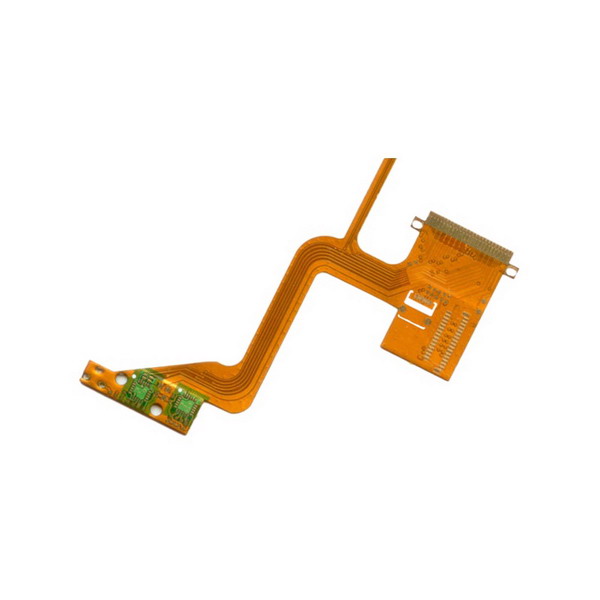
Smart home appliances ask more of circuit wiring than the generation they replace. Doors, hinges, and sliding drawers need a flex that survives thousands of cycles; displays and IoT boards need a quiet, repeatable link. Flexible flat cable has become common in smart TVs, washing machines, and refrigerators for that reason. The global market for FFC cables used in smart home appliances is projected to exceed USD 1.5 billion by 2026, at a compound annual growth rate of 8.3%.
In 8K ultra-high-definition televisions, FFC ribbon has to carry very large data streams without lag or distortion. 8K video needs interconnects that hold throughput and signal integrity over the run from the main board to the panel. FFC with consistent impedance and low loss is a practical fit: it is thin enough for the chassis, and it can be specified with differential pairs and EMI shielding when the panel timing is unforgiving.
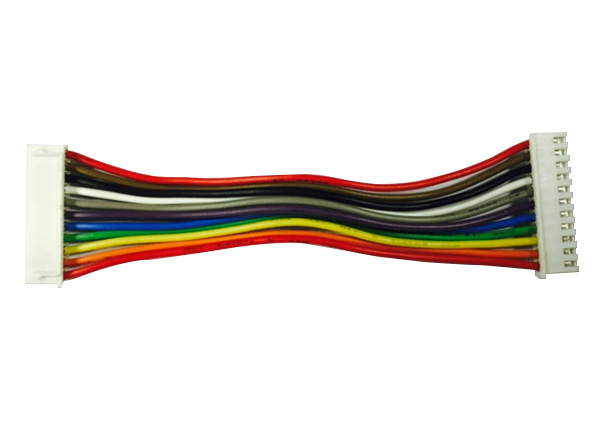
In the IoT modules of smart refrigerators, reliability matters more than peak bandwidth. Remote commands, door sensors, and user-interface boards must execute without dropouts after years of condensation, vibration from compressors, and repeated door flex. As appliance intelligence accelerates, both data rate and signal-integrity requirements rise together. Washing machines and other connected appliances use the same FFC logic: sensors, control boards, and displays share a custom FFC instead of a nest of round wires behind the fascia.
Asia-Pacific, with a complete industrial chain and a large consumer market, is the main engine of this growth. The region's weight in consumer-electronics manufacturing, plus rising incomes and faster uptake of smart-home products, concentrates FFC demand for appliances. Pitch, length, and ZIF-compatible tails are often tooled once for a regional platform and then reused across several SKUs.
Tighter environmental rules are also shifting buyers toward RoHS-compliant FFC and away from constructions that cannot be declared. Manufacturers are investing in materials and processes that meet those rules without giving up flex life or electrical performance. REACH documentation travels with the same lots. Green manufacturing here is not a slogan; it is the paperwork OEM quality systems already require at incoming inspection.
Flexible-electronics research is pushing FFC beyond a simple jumper. Integrated sensing — temperature or pressure along the cable — is discussed as a next step, not a volume reality in every refrigerator today. What is already real is the combination of high-speed display FFC and robust door-flex FFC in one appliance bill of materials, each with its own plating, stiffener, and fold drawing.
Under that trend, cable makers have to keep investing in material and process capability if they want to stay in intelligent, higher-end appliance programmes. Catalogue FFC that was designed for a static printer mechanism will not survive a washing-machine door or an 8K timing path. Custom FFC with defined bend radius, optional EMI shielding, and a matched FPC connector is the specification path that holds both picture quality and field reliability.
Nurwire manufactures custom FFC cable for consumer and smart-appliance OEMs under ISO 9001:2015, with RoHS and REACH-compliant materials and optional EMI shielding for display and IoT links. If you are laying out an 8K panel, a refrigerator UI, or a door-flex interconnect, we can match pitch, length, and ZIF tails to the platform.