






FFC Cables in Medical Devices: Reliability and Miniaturization
Healthcare equipment is getting smaller, more connected, and more capable, and that change is pulling flexible flat cable into designs that used to rely on round wire or rigid board stacks. Portable, wearable, and point-of-care diagnostic devices need interconnects that survive flex, cleaning, and years of duty cycles without drifting electrically. FFC cable is a practical answer when the envelope is thin and the measurement cannot tolerate a noisy or intermittent link.
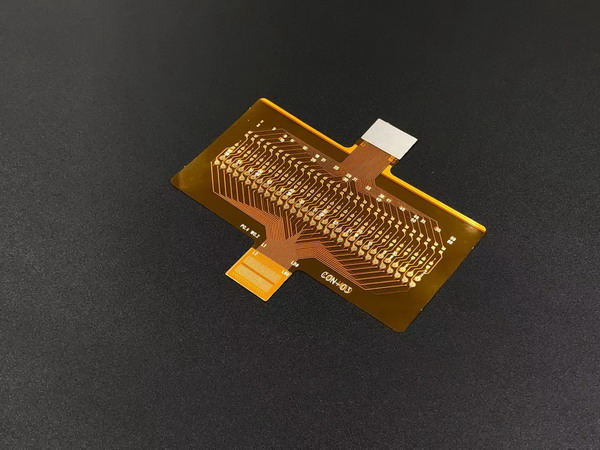
Medical-oriented FFC offers a thin, flexible stack that fits portable patient monitors, wearable trackers, and handheld diagnostic tools. Predictable electrical performance keeps signal quality consistent, which matters for analog front ends and digital imaging alike. Typical uses include handheld ultrasound, infusion pumps, medication dispensers, and monitoring systems — anywhere a display, probe, or pump head must move relative to the main board.
The environment is stricter than consumer electronics. Materials must tolerate repeated cleaning and disinfection; constructions must hold performance across a wide operating window and a long service life. High-reliability FFC for these devices is commonly specified to operate from −40 °C to +105 °C with defined current ratings. That range is not a medical-device certification by itself; it is a thermal and electrical envelope the cable must survive while the OEM manages biocompatibility and sterilization at the system level.
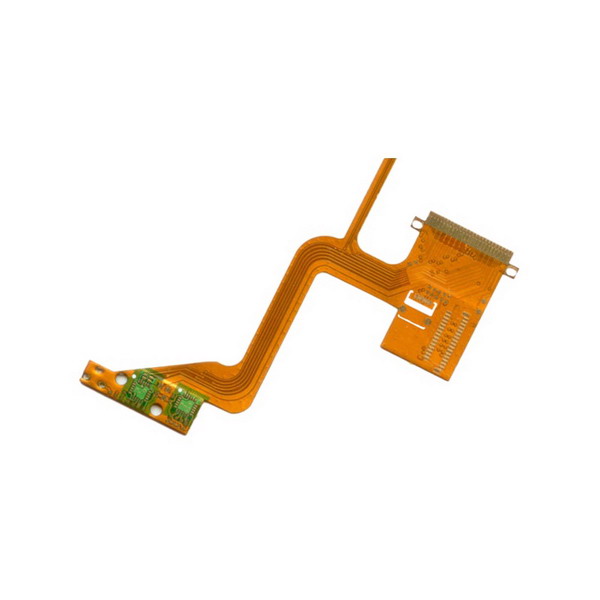
Those differentiated requirements push suppliers to segment catalogues and to invest in process control rather than one generic flex. FFC is available in a range of pitches, lengths, plating options, and thicknesses so a custom FFC can match a compact housing. Gold or tin plating, PET or polyimide insulation, and stiffeners at the tail are chosen against the connector and the cleaning chemistry, not against a one-size drawing.
Common medical applications include patient monitoring, diagnostic imaging, laboratory analyzers, and therapeutic devices. As telemedicine and remote monitoring grow, the number of compact, always-connected instruments grows with them, and each still needs a reliable board-to-board or board-to-display path. FFC paired with FPC connectors supports high-density, high-speed interconnects in patient monitors where a mezzanine connector would add height the industrial designer cannot spare.
High-shock and high-vibration use is not limited to factory floors. Transport monitors, ambulance equipment, and handheld probes see drops and continuous motion. A well-specified FFC with the right bend radius, strain relief, and ZIF or LIF retention is more repeatable than a dressed round cable in those geometries. EMI shielding is added when motors, wireless modules, or switching supplies sit next to low-level analog lines.
For device manufacturers, the supplier question is process and traceability, not slogans. ISO 9001 quality control, RoHS and REACH material declarations, and lot traceability for conductors, insulation, and plating are the documents purchasing actually files. What the interconnect can offer is a stable, inspectable flex built under ISO 9001:2015 with materials the OEM can put on its own bill of materials.
If you are packaging a monitor, imager, or handheld diagnostic around a tight fold, Nurwire can manufacture custom FFC cable to your pitch, length, plating, and FPC connector family, with optional EMI shielding and RoHS/REACH-compliant materials. Early DFM on bend radius and stiffener usually saves a redesign after the first sterilization or drop test.